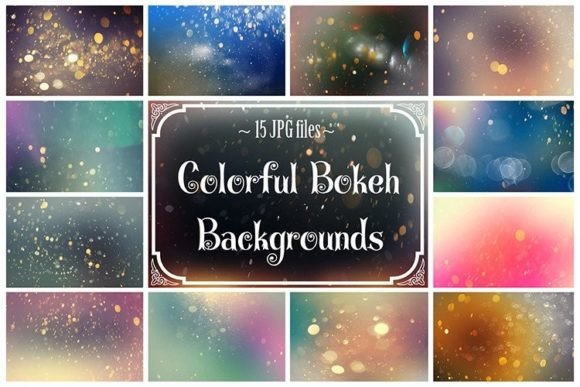
Bokeh Backgrounds and Bokeh Overlays for Creative Projects
Bokeh Backgrounds and Bokeh Overlays have become a staple in the world of digital design, photography, and creative art. These elements add depth, texture, and a dreamy aesthetic to any project. Whether you're working on a photo edit, designing a website, or creating a scrapbook layout, bokeh overlays can elevate your work with just a few clicks. The beauty of bokeh lies in its ability to draw attention to the subject while adding a soft, artistic blur to the background.
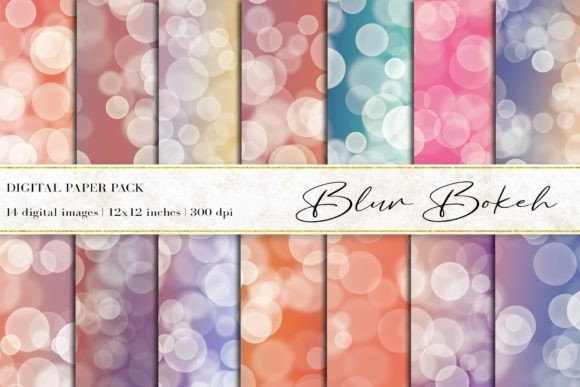
These colorful bokeh backgrounds are especially useful for portrait photography, where they help create a more dramatic and visually appealing composition. In nature photography, bokeh can be used to highlight specific elements like flowers or insects without distracting the viewer with the entire background. For macro photography, bokeh adds a sense of depth that enhances the intricate details of small subjects.
Practical Uses of Bokeh Backgrounds and Overlays
Bokeh Backgrounds and Overlays are incredibly versatile and can be applied across a wide range of industries and purposes. Here are some real-world scenarios where these digital assets shine:
- Photography: Photographers use bokeh overlays to enhance their images by adding a soft glow or colored blur. This is particularly effective when editing portraits, product shots, or even candid photos.
- Digital Scrapbooking: Scrapbookers love using bokeh overlays to create a whimsical and elegant look in their layouts. They can be layered behind photos, journaling, or other design elements to add visual interest.
- Art Journals: Artists and journalers can incorporate bokeh overlays into their pages to create a more dynamic and textured feel. These overlays can be used as background elements or mixed media components.
- Websites and Blogs: Web designers often use bokeh backgrounds to create a unique and eye-catching look for websites, blogs, or landing pages. They can be used sparingly to avoid overwhelming the viewer.
- Invitations and Announcements: Event planners and designers can use bokeh overlays to make invitations, wedding announcements, or party flyers stand out with a touch of creativity and elegance.
- Business Cards and Flyers: Adding a subtle bokeh effect to business cards or flyers can give them a professional yet artistic flair, making them more memorable.
- Procreate Pages and Digital Planners: Digital artists who use Procreate or other digital drawing apps can integrate bokeh overlays into their pages to create a more cohesive and visually appealing design.
How Different Users Benefit from Bokeh Overlays
The beauty of bokeh overlays is that they can be tailored to suit different users and needs. A photographer might use them to enhance their portfolio, while a designer might use them to create a unique brand identity. Here's how various users can benefit:
Photographers: For portrait photographers, bokeh overlays can help create a more flattering image by blurring out distracting backgrounds. It allows the focus to remain on the subject while adding an artistic touch.
Designers: Graphic designers can use bokeh overlays to create a more engaging and aesthetically pleasing layout. Whether it's for a website, brochure, or social media post, bokeh can add a layer of sophistication.
Artists: Artists who work with mixed media or collage techniques can use bokeh overlays to add texture and dimension to their work. They can be used as background elements or combined with other materials for a more layered look.
Students and Educators: Students working on school projects or educators creating presentation slides can use bokeh overlays to make their content more visually appealing and engaging.
Choosing the Right Bokeh Overlay
With so many options available, choosing the right bokeh overlay can be overwhelming. Here are a few considerations to keep in mind:
- Resolution: High-resolution JPEG files (300 dpi) are essential for ensuring clarity and sharpness, especially when printing or using them in high-quality digital formats.
- Compatibility: Make sure the overlays are compatible with your preferred software, such as Photoshop, Photoshop Elements, GIMP, or Paint Shop Pro. Most digital overlays come with layers, making them easy to edit and customize.
- Color Palette: Choose overlays that match the color scheme of your project. Some bokeh overlays come in a variety of colors, allowing you to select the one that best fits your design.
- Usage Rights: Always check the terms of use before downloading or purchasing bokeh overlays. Ensure that you are allowed to use them for your intended purpose and that you cannot share or resell them without permission.
Limitations and Considerations
While bokeh overlays offer a lot of creative possibilities, there are a few limitations to be aware of. For instance, overusing bokeh can lead to a cluttered or unprofessional look. It's important to use them sparingly and strategically to maintain visual balance.
Additionally, since these are digital products, the final appearance may vary slightly depending on your monitor, printer, or paper quality. While efforts are made to provide accurate color representation, there could be minor differences in how the overlays appear on different devices or when printed.
Another consideration is that bokeh overlays are not always suitable for every type of project. For example, they may not be ideal for minimalist designs or projects that require a clean and modern look. It's important to assess whether bokeh will enhance or detract from the overall aesthetic of your work.
Despite these limitations, bokeh backgrounds and overlays remain a valuable tool for anyone looking to add a touch of creativity and depth to their projects. With careful selection and application, they can transform ordinary designs into something truly special.