Fabric Texture: Enhancing Design with 15 Unique Cloth Texture Backgrounds
Fabric texture refers to the visual and tactile qualities of a textile surface. It plays a crucial role in design, adding depth, character, and realism to digital and physical projects. Whether you're creating business cards, wedding stationery, or website graphics, incorporating fabric texture can elevate your work from ordinary to extraordinary. In this article, we'll explore how fabric texture enhances design and introduce a collection of 15 high-resolution cloth texture backgrounds that are perfect for a wide range of creative applications.
Understanding Fabric Texture and Its Role in Design
Fabric texture is more than just an aesthetic choice—it's a functional element that can influence the perception and effectiveness of your design. Different fabrics have unique patterns, sheens, and structures that can evoke specific emotions or themes. For instance, a smooth silk texture might convey elegance, while a coarse burlap texture can suggest rustic charm.
When used in design, fabric texture adds layers of interest and realism. It can help blend digital elements with real-world materials, making your visuals more engaging and relatable. This is especially important in fields like web design, where user experience depends on visual appeal and clarity.
Challenges and Goals in Using Fabric Texture
Designers often face challenges when trying to incorporate fabric texture into their work. One common issue is finding the right texture that matches the project's theme and purpose. Another challenge is ensuring that the texture doesn't overpower other design elements or reduce readability.
Despite these challenges, the goal remains clear: to use fabric texture to enhance the visual storytelling of a design. Whether it's for branding, event invitations, or product packaging, the right fabric texture can make a significant impact on the overall look and feel of the final piece.
How Fabric Texture Can Help Address These Challenges
The key to successfully using fabric texture lies in understanding its properties and how they interact with other design elements. A well-chosen fabric texture can add subtle depth without distracting from the main message. It can also unify different parts of a design, creating a cohesive and professional appearance.
For example, using a linen fabric texture as a background for a business card can give it a premium feel, while a velvet texture can add luxury to a wedding invitation. The right texture can also help differentiate sections of a layout, guiding the viewer's eye through the content in a natural way.
Practical Applications of Fabric Texture
Fabric texture has a wide range of practical applications across various industries. Here are some examples of how it can be used effectively:
- Business Cards: Adding a subtle fabric texture can give your business card a unique and professional touch.
- Wedding Stationery: Fabrics like lace, satin, and velvet are popular choices for wedding invitations and save-the-date cards.
- Web Graphics: Textured backgrounds can enhance the visual appeal of websites, banners, and logos.
- Scrapbooking and Planner Stickers: Fabric textures can add a tactile and visual dimension to personal projects.
- Logos and Branding: Incorporating fabric texture into logos can create a distinctive brand identity.
These applications show how versatile fabric texture can be when used thoughtfully. It's not just about aesthetics; it's about creating meaningful and impactful designs that resonate with the audience.
Introducing 15 High-Resolution Cloth Texture Backgrounds
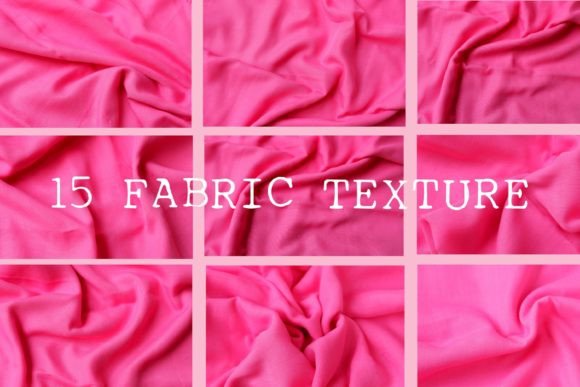
To help designers and creators achieve their goals, we've curated a set of 15 high-resolution cloth texture backgrounds. Each texture is available in JPG format at 300 DPI, ensuring exceptional quality for both print and digital use. These textures are ideal for a variety of purposes, including business cards, construction templates, covers, decorations, and more.
Whether you're working on a wedding invitation or designing a website banner, these textures offer a rich source of inspiration and practicality. They are easy to download and integrate into your projects, allowing you to focus on creativity rather than technical hurdles.
How Different Users Can Approach Fabric Texture
Depending on their needs and expertise, users may approach fabric texture differently. A graphic designer might use it to create realistic mockups, while a DIY enthusiast could apply it to handmade cards or scrapbook pages. A web developer might use it to enhance the visual hierarchy of a website.
No matter the approach, the key is to select a fabric texture that aligns with the project's theme and purpose. Experimentation is encouraged—try combining different textures or adjusting opacity to achieve the desired effect.
Useful Considerations When Working with Fabric Texture
When working with fabric texture, there are several considerations to keep in mind. First, ensure that the texture complements the other design elements rather than clashing with them. Second, pay attention to the resolution and file format to maintain quality, especially if printing is involved.
Additionally, consider the context in which the design will be viewed. A texture that looks great on a printed business card may not be as effective on a digital screen. Always test your designs in different environments to ensure they meet your expectations.
Finally, don't be afraid to experiment. Fabric texture offers endless possibilities, and the best results often come from thinking outside the box and exploring new combinations.