Watercolor Lavender Plant Clipart: A Versatile Design Resource for Creative Projects
Watercolor Lavender Plant Clipart offers a charming and elegant way to add visual appeal to your creative projects. Whether you're designing greeting cards, marketing materials, or digital illustrations, this clipart set brings the soothing beauty of lavender into your work with soft, hand-painted textures and high-quality resolution. With 30 individual elements in PNG format, each featuring a transparent background and a resolution of 300 dpi, this collection is perfect for both beginners and seasoned designers looking to enhance their designs with a natural, artistic touch.
But before diving into using Watercolor Lavender Plant Clipart, it's important to understand what makes this resource valuable and how to avoid common pitfalls that could compromise your final results. Let’s explore the key considerations and practical tips to ensure you get the most out of this versatile design asset.
What Is Watercolor Lavender Plant Clipart?
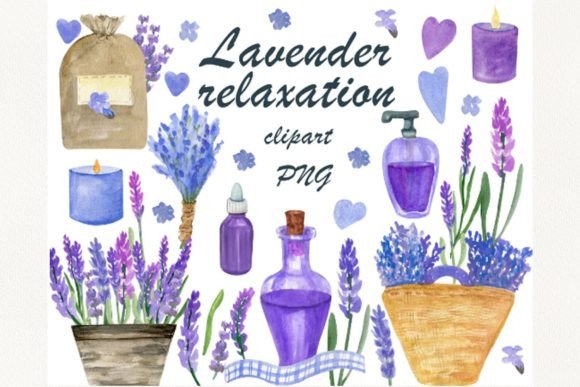
Watercolor Lavender Plant Clipart consists of digital images of lavender flowers, plants, bouquets, and related items rendered in a watercolor style. These images are ideal for adding a soft, artistic flair to various design projects. The set includes elements such as lavender sprigs, full blooms, vases, and even spa-related items like oil bottles and essential oil sets—perfect for wellness-themed content.
The use of PNG format ensures that each element has a transparent background, making it easy to layer over other graphics or backgrounds without any visible edges. The 300 dpi resolution guarantees sharpness and clarity, which is especially important for print-based projects like business cards, invitations, or textiles.
Common Mistakes When Using Watercolor Lavender Plant Clipart
While Watercolor Lavender Plant Clipart can elevate your designs, there are several mistakes that users often make when selecting or applying these assets. Here are some common issues and how to avoid them:
- Misusing the Resolution for Print: Although the clipart is available at 300 dpi, which is suitable for print, some users may not check if their printer supports this resolution. If you plan to use the clipart on printed materials, always confirm that your output device can handle high-resolution images without pixelation.
- Ignoring the Transparent Background: Many clipart sets include white or colored backgrounds, but the transparent background in this set is a major advantage. Failing to use this feature properly can lead to unwanted borders or poor integration with your design elements.
- Overloading Designs with Too Many Elements: It's tempting to use all 30 elements in one design, but this can create clutter and distract from the message. Use only the necessary elements to maintain balance and focus in your composition.
- Not Matching the Style with Your Project: The watercolor aesthetic works best with soft, organic themes. If your project has a more modern or minimalist feel, the watercolor style might clash unless carefully integrated.
How to Choose the Right Watercolor Lavender Plant Clipart
Selecting the right clipart for your project involves more than just picking an image that looks nice. Consider the following factors to ensure your choice aligns with your goals:
- Project Type: Are you designing for print or digital use? While the 300 dpi resolution is great for print, digital projects may require slightly different scaling or optimization.
- Color Palette: Even though the clipart is in watercolor style, the colors may vary depending on the source. Ensure the palette matches the overall look of your project to maintain consistency.
- License and Usage Rights: Always check the licensing terms to confirm whether you can use the clipart for commercial purposes, personal projects, or specific platforms like websites or social media.
- File Format Compatibility: Make sure your design software (e.g., Photoshop, Illustrator, Canva) supports PNG files with transparency. This will prevent any issues when importing or editing the clipart.
Practical Tips for Using Watercolor Lavender Plant Clipart
To get the best results from your Watercolor Lavender Plant Clipart, follow these practical tips:
- Layer Wisely: Use the transparent background to your advantage by placing the clipart over textured or patterned backgrounds. This adds depth and enhances the watercolor effect.
- Resize Carefully: When resizing the clipart, maintain the aspect ratio to avoid distortion. Large-scale prints may require vector versions, so consider this if you need larger formats.
- Combine with Other Assets: Pair the lavender clipart with complementary elements like floral patterns, pastel colors, or minimalist fonts to create a cohesive design.
- Test Before Finalizing: Always preview your design on the intended medium—whether it's a business card, poster, or website—to ensure the clipart looks as expected in its final form.
Real-World Applications of Watercolor Lavender Plant Clipart
Watercolor Lavender Plant Clipart is incredibly versatile and can be used across a wide range of applications. Here are a few examples:
- Marketing Materials: Incorporate the clipart into promotional posters, flyers, or packaging for wellness products like essential oils or skincare items.
- Event Invitations: Create elegant wedding or spa-themed invitations using lavender bouquets and floral accents.
- Textile Designs: Use the clipart to design fabric patterns for home décor, clothing, or accessories that reflect a calming, natural aesthetic.
- Blog Graphics: Add visual interest to blog posts about self-care, aromatherapy, or gardening by integrating the clipart into headers or sidebars.
By understanding the nuances of Watercolor Lavender Plant Clipart and avoiding common mistakes, you can create stunning, professional designs that stand out. Whether you're a small business owner, marketer, or hobbyist, this resource provides endless possibilities for creativity and expression.